
Categories
Artificial Intelligence

The Future of AI in Business: How Automation is Transforming Industries

Introduction

Artificial Intelligence (AI) is no longer just a buzzword. It’s rapidly transforming industries and revolutionizing how businesses operate. From healthcare to finance, AI technologies are enabling smarter decisions, enhancing productivity, and automating tasks that once took hours or even days. But what does the future hold for AI in business? Let’s dive into how automation and AI are shaping the future of industries across the globe.

The Impact of AI in Various Industries

1. Healthcare: AI is making remarkable strides in healthcare. With machine learning algorithms, doctors can now analyze medical images, predict patient outcomes, and provide more accurate diagnoses. AI-powered tools also help with administrative tasks, improving efficiency in hospitals and clinics.

2. Finance: In the financial sector, AI is revolutionizing fraud detection, risk management, and customer service. Algorithms can monitor transactions in real-time to flag unusual behavior, helping institutions prevent fraud before it happens. AI chatbots are also providing personalized financial advice to customers, improving client relationships and lowering operational costs.

3. Retail: AI in retail is enhancing the customer experience by offering personalized recommendations based on shopping habits. Retailers are using AI-driven analytics to optimize supply chains, predict demand, and manage inventory more efficiently. Automated checkout systems and AI-powered customer service bots are also changing the way we shop.

The Role of Automation

AI is driving automation, which can significantly improve efficiency and reduce costs. From automated manufacturing processes to AI-driven customer support systems, automation allows businesses to focus on what matters most—growth and innovation. In customer service, for example, chatbots can handle inquiries 24/7, providing faster responses and freeing up human agents to tackle more complex issues.

The Challenges of AI Integration

While AI holds immense potential, its implementation isn’t without challenges. Data privacy and security concerns are at the forefront, especially in industries like healthcare and finance. Moreover, businesses need to invest in the right infrastructure and training to ensure AI systems are used effectively. There is also the issue of AI replacing jobs, which raises ethical concerns that companies need to address.

Conclusion

The future of AI in business is undoubtedly bright. As automation continues to evolve, businesses that embrace AI technologies will be better positioned to stay competitive in an increasingly digital world. By leveraging AI, industries can not only streamline their operations but also unlock new opportunities for growth and innovation.

Categories
Security

5 Essential Cybersecurity Practices Every Business Should Adopt in 2024

Introduction

Cybersecurity is a growing concern for businesses worldwide. With data breaches, cyberattacks, and privacy violations becoming more frequent and sophisticated, it’s more important than ever to adopt strong security practices. In 2024, businesses must be proactive in protecting their digital assets. Here are five essential cybersecurity practices every business should implement this year.

1. Multi-Factor Authentication (MFA)

Multi-factor authentication is one of the most effective ways to secure your business from cyber threats. By requiring multiple forms of verification (such as a password and a code sent to your phone), MFA adds an extra layer of protection to sensitive data. This makes it much harder for attackers to gain unauthorized access to your systems, even if they manage to obtain login credentials.

2. Regular Security Audits

Conducting regular security audits helps businesses identify vulnerabilities and address them before they can be exploited. Security audits should include testing your network for weaknesses, reviewing access controls, and ensuring your software is up to date. A regular audit cycle ensures that your security measures evolve with new threats.

3. Employee Training

Humans remain the weakest link in cybersecurity. Phishing attacks, weak passwords, and social engineering schemes often exploit employees’ lack of awareness. Providing cybersecurity training to employees helps them recognize potential threats and follow best practices for data protection. Educating staff on the importance of strong passwords, recognizing phishing emails, and avoiding risky online behavior is essential in preventing breaches.

4. Data Encryption

Encrypting sensitive data is one of the best ways to protect it from unauthorized access. Whether data is stored on your servers or transmitted over the internet, encryption ensures that even if attackers intercept it, they cannot read or use the information. Encryption is particularly important for financial transactions, customer data, and intellectual property.

5. Backup and Disaster Recovery Plan

Having a comprehensive backup and disaster recovery plan is crucial in case of a cyberattack or system failure. Regularly backing up important files ensures that if your systems are compromised, you can quickly restore your data. A disaster recovery plan outlines the steps to take during and after an attack, ensuring minimal disruption to business operations.

Conclusion

As cyber threats continue to evolve, so too must your business’s cybersecurity practices. By adopting these five essential practices—multi-factor authentication, regular security audits, employee training, data encryption, and a disaster recovery plan—your business will be well-equipped to prevent and respond to cyber threats in 2024.

Categories
Cloud

How Cloud Computing is Empowering Startups to Scale Faster

Introduction

Cloud computing has revolutionized how businesses operate, especially for startups. In a world where speed and agility are crucial to success, cloud technology has provided companies with the flexibility they need to scale rapidly. Let’s explore how cloud computing is empowering startups to grow faster and more efficiently.

1. Cost Efficiency

One of the most significant advantages of cloud computing is its cost efficiency. Startups often struggle with managing operational costs, but with the cloud, businesses only pay for the resources they use. There’s no need for expensive hardware or IT infrastructure—everything is hosted in the cloud, reducing upfront costs and making it easier to scale as your business grows.

2. Scalability

The cloud offers virtually unlimited scalability. As your startup expands, you can easily increase storage, processing power, and bandwidth without having to worry about physical limitations. This flexibility allows businesses to grow without the need for major investments in hardware or software upgrades, enabling them to adapt quickly to changing demands.

3. Remote Accessibility

Cloud computing enables startups to operate remotely with ease. Employees can access data, tools, and applications from anywhere, whether they are working from the office, home, or on the go. This accessibility enhances collaboration, productivity, and agility, as teams can work together in real-time, regardless of location.

4. Enhanced Collaboration

Cloud-based tools improve collaboration within startup teams. With cloud storage and project management software, teams can collaborate seamlessly on documents, share files, and track progress in real time. These tools streamline workflows and ensure that everyone is on the same page, reducing bottlenecks and increasing efficiency.

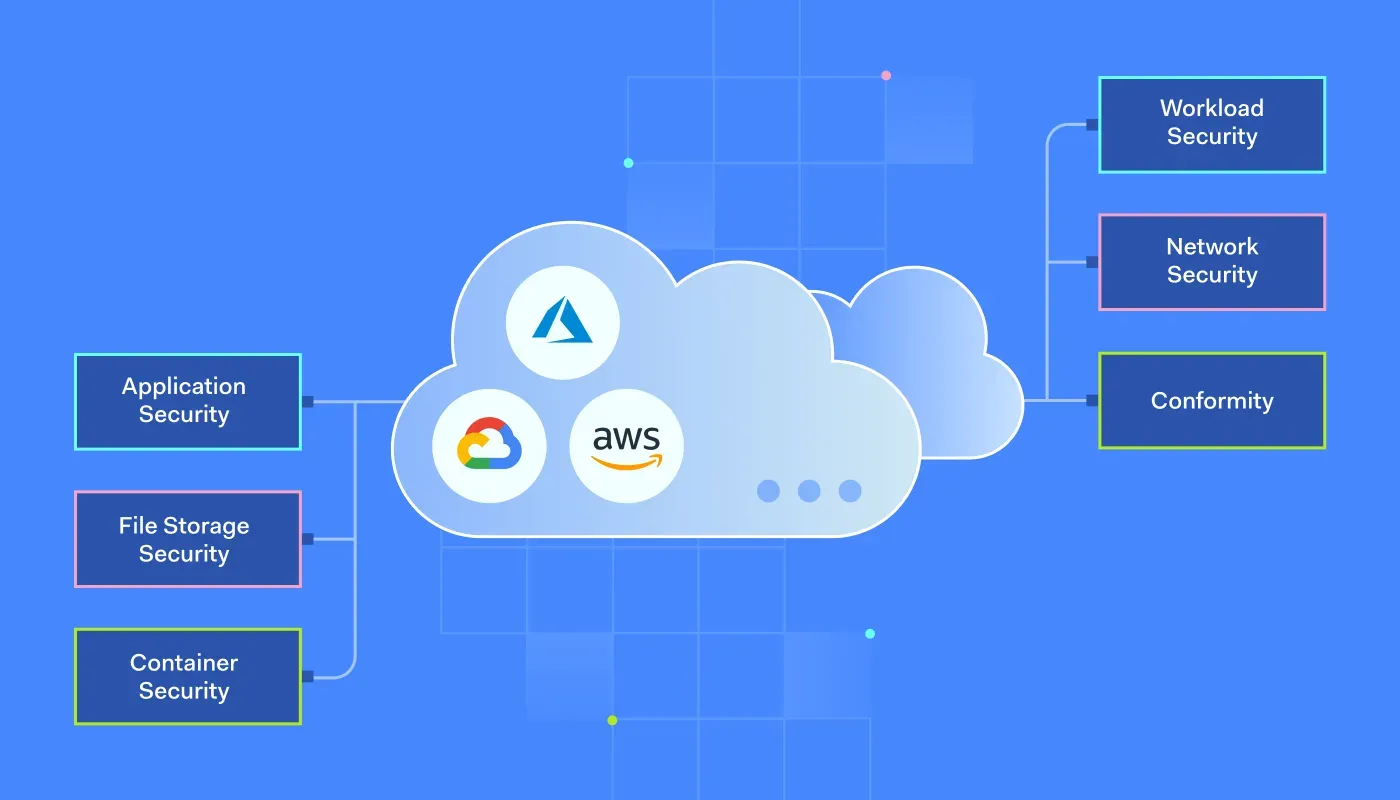
5. Security

Many startups worry about the security of their data in the cloud. However, reputable cloud service providers offer robust security measures, including encryption, firewalls, and access control. Additionally, most cloud providers ensure data is backed up regularly and stored in multiple locations, providing an extra layer of protection in case of system failures or natural disasters.

Conclusion

Cloud computing has become a game-changer for startups looking to scale quickly and efficiently. With cost savings, scalability, remote accessibility, and enhanced collaboration, the cloud is enabling businesses to focus on innovation and growth while minimizing operational challenges. If you haven’t embraced the cloud yet, now is the perfect time to make the transition and position your startup for success.